Superland
A GenAI adventure platform for kids, blending creative agency with screen-light storytelling.
Client
AWDIO
Year
2023
Role
Co-founder & Product Lead
The Pivot: From Static to Generative
Superland began as a strategic pivot within AWDIO. We realized that static, pre-recorded audio couldn't compete with the infinite creativity of a child. I led the transition to a GenAI-powered model, designing a "sandbox" where kids don't just consume stories—they co-create them. The goal was to use technology to spark imagination rather than stifle it through passive consumption .

This is the splash screen for Superland.
Designing the "Creative Input" UX
The biggest challenge with GenAI for kids is the "blank page" problem. I designed a multi-step character creation flow that gamifies data entry. By using tactile name-picking , visual avatar selection , and emoji-based trait picking , we gathered the necessary prompt parameters while making the child feel like they were casting a magic spell .
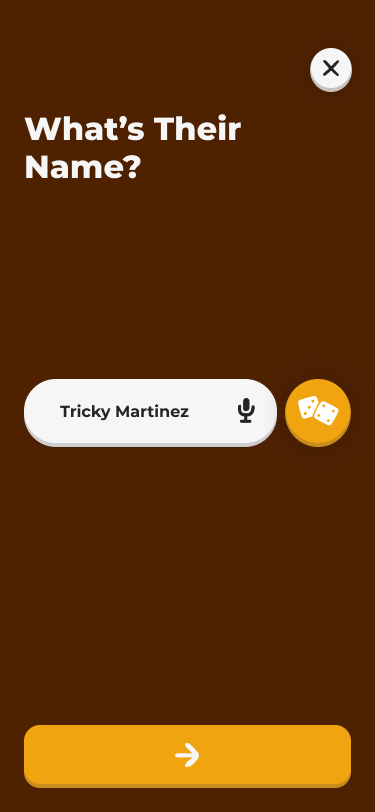
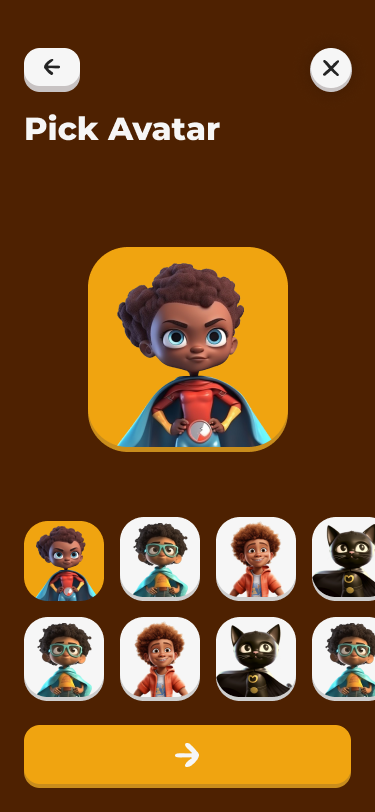
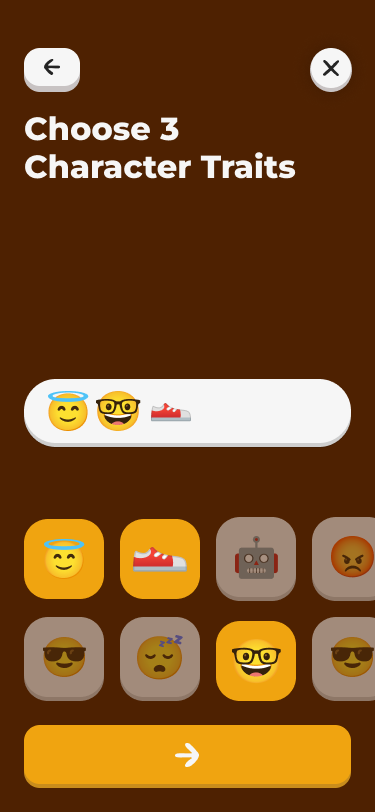
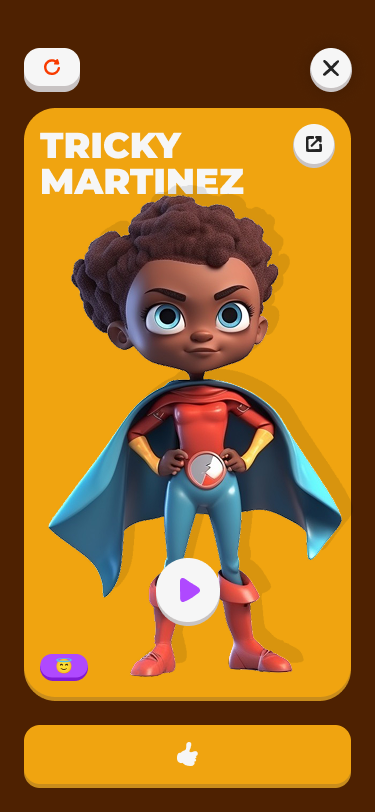
First step in the character creation flow in Superland, where users pick a name for their character. The screen is designed to be engaging and user-friendly.
The "Snake" Timeline: Visualizing Narrative Flow
To provide a sense of progression in a non-linear AI world, I developed the "Snake" timeline . This UI pattern visualized the child's journey, showing past choices and future possibilities. It turned abstract AI-generated chapters into a physical map the child could navigate, providing much-needed structure to an infinite content stream .
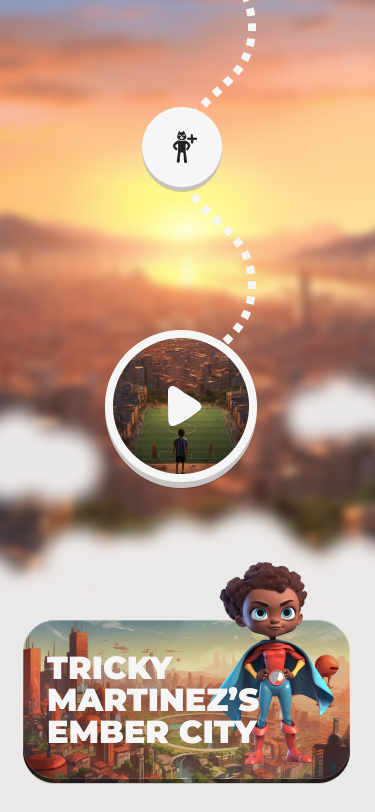
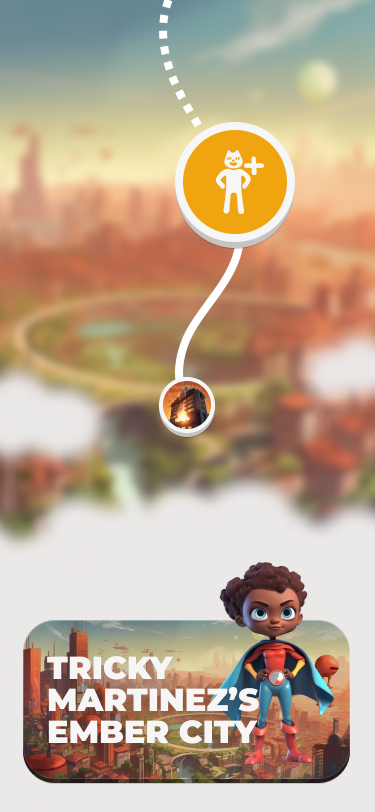
The snake as we called it. It was a way to show the user how far they had progressed in the story, and what choices they had made. It was also used to show the user which characters, objects, and locations were part of the story.
Interaction Engine: Solving AI Latency
AI generation is slow, but kids are fast. As Product Lead, I architected a "sentence-by-sentence" TTS playback system. While the AI was still "thinking" about the end of the story, the app was already playing the beginning. I paired this with a "Read-Along" player UI , to bridge the gap between audio entertainment and literacy development.
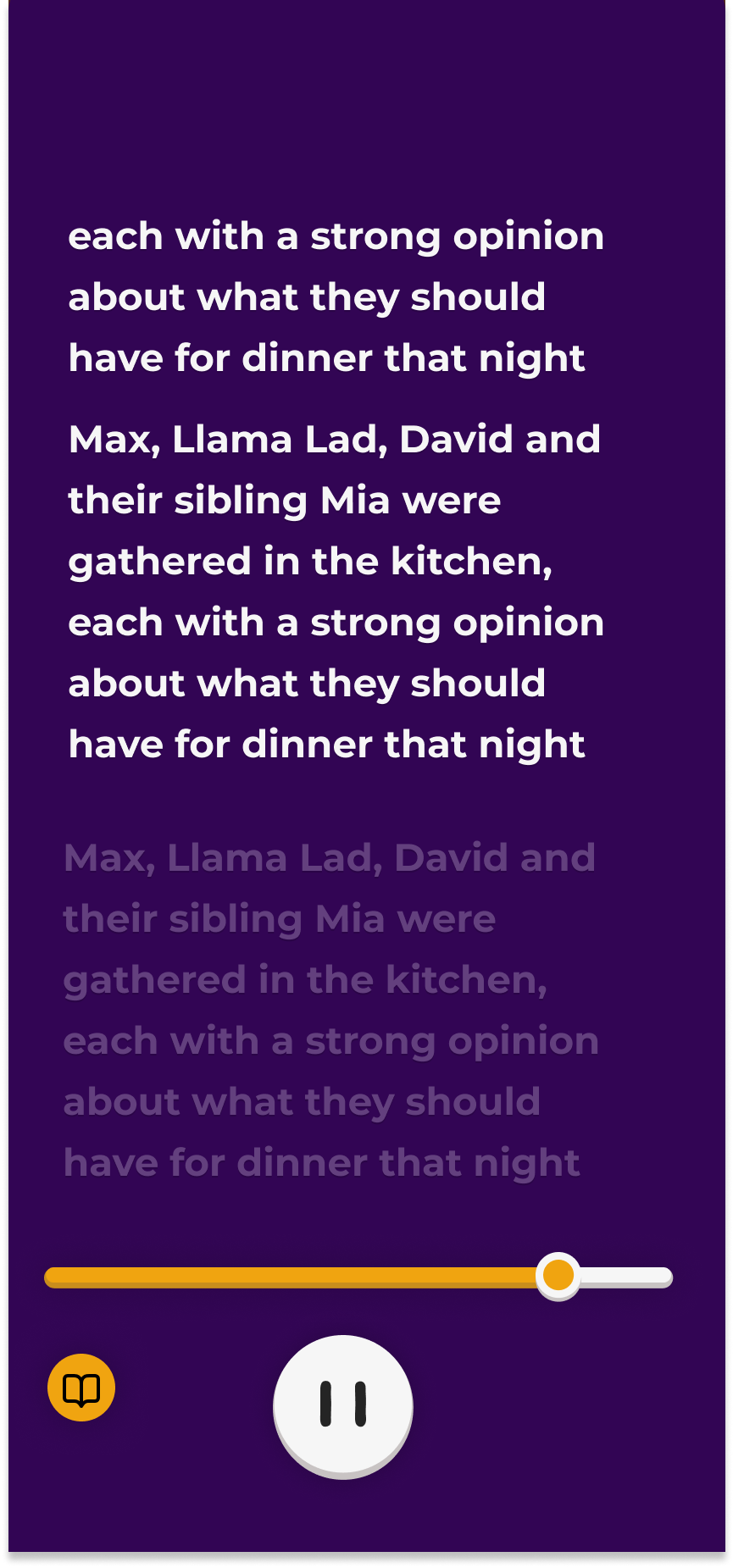
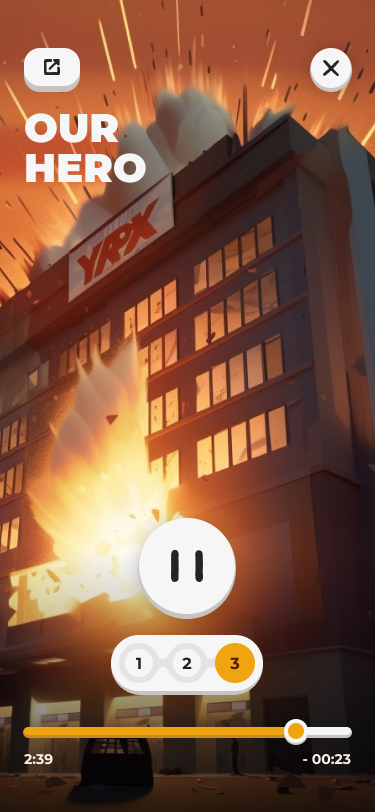
In V2 we added a read along feature, where the user can listen to the story while reading along with the text. This screen shows the player UI for the read along feature.
The Hub: Managing a Creative Ecosystem
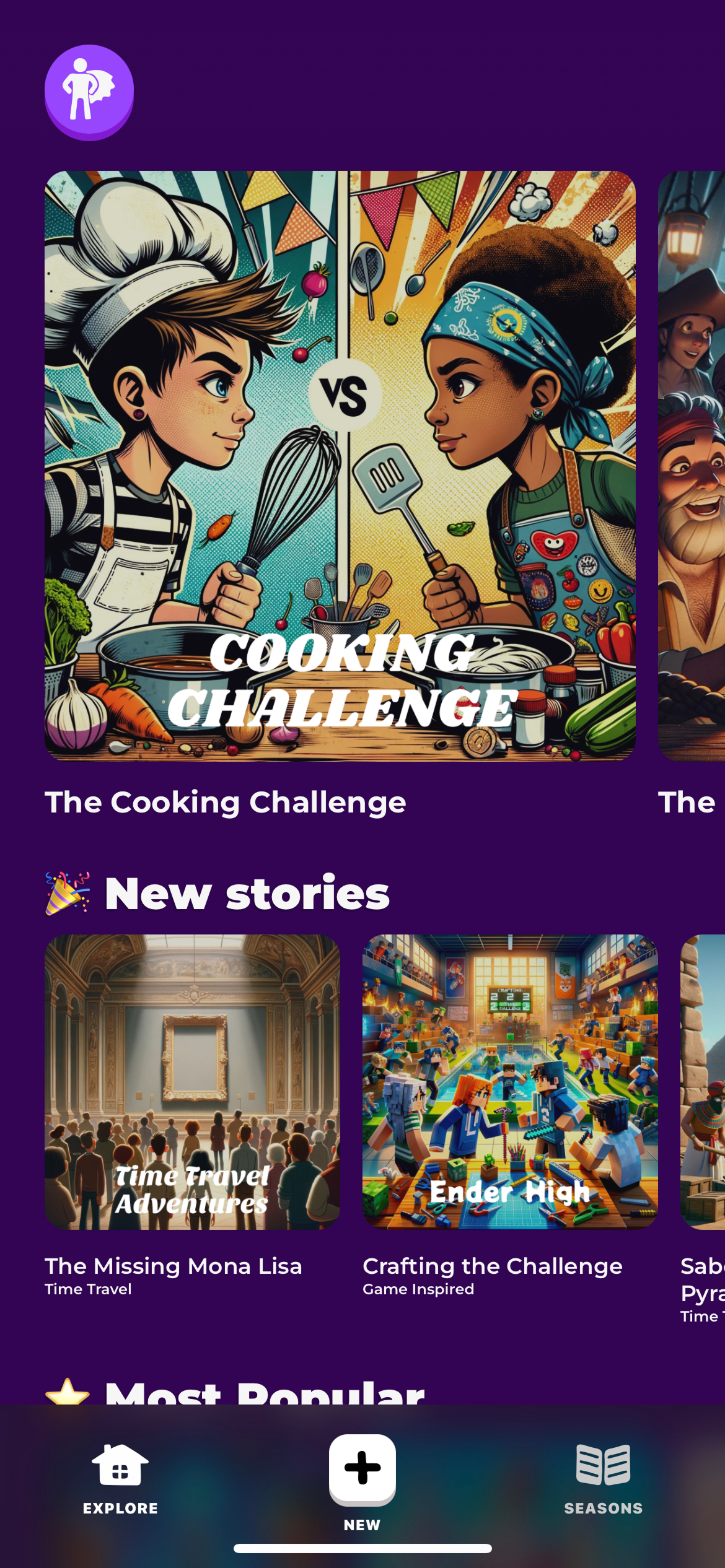
As the product evolved from a single story to a platform, I redesigned the home screen to act as a creative hub . This allowed users to manage their "Creation Collection" —a persistent library of their custom heroes, villains, and items that could be reused across multiple AI-generated adventures , , .
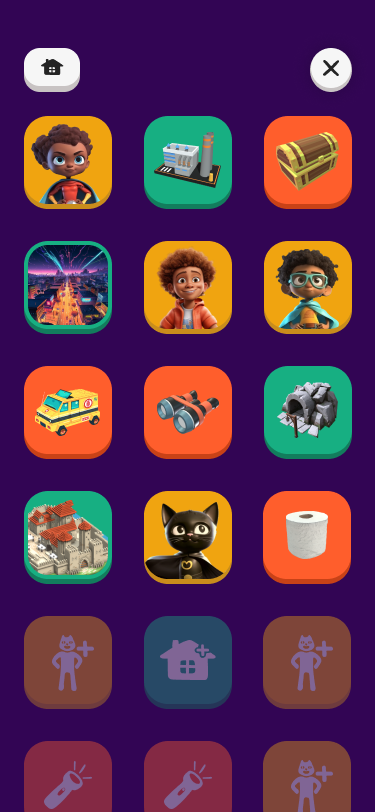
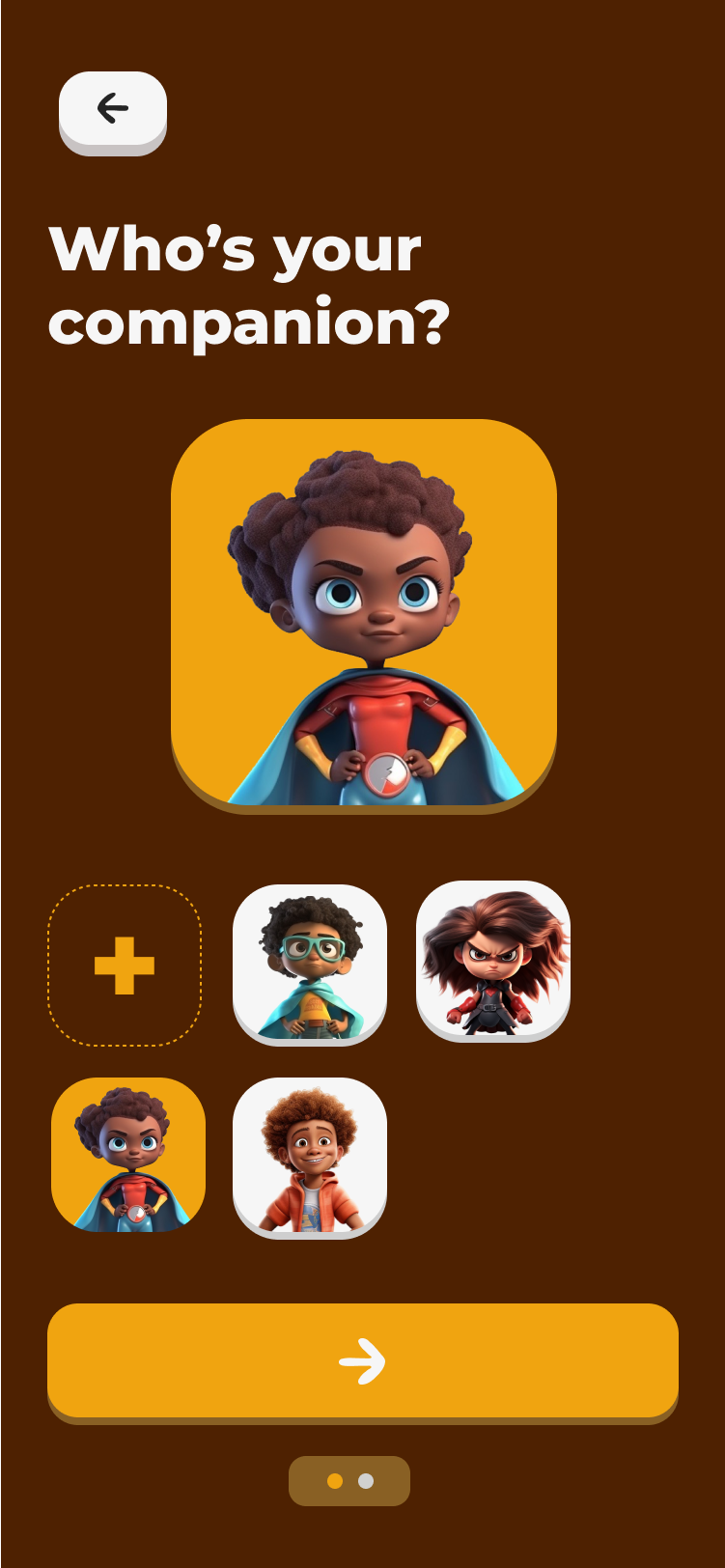
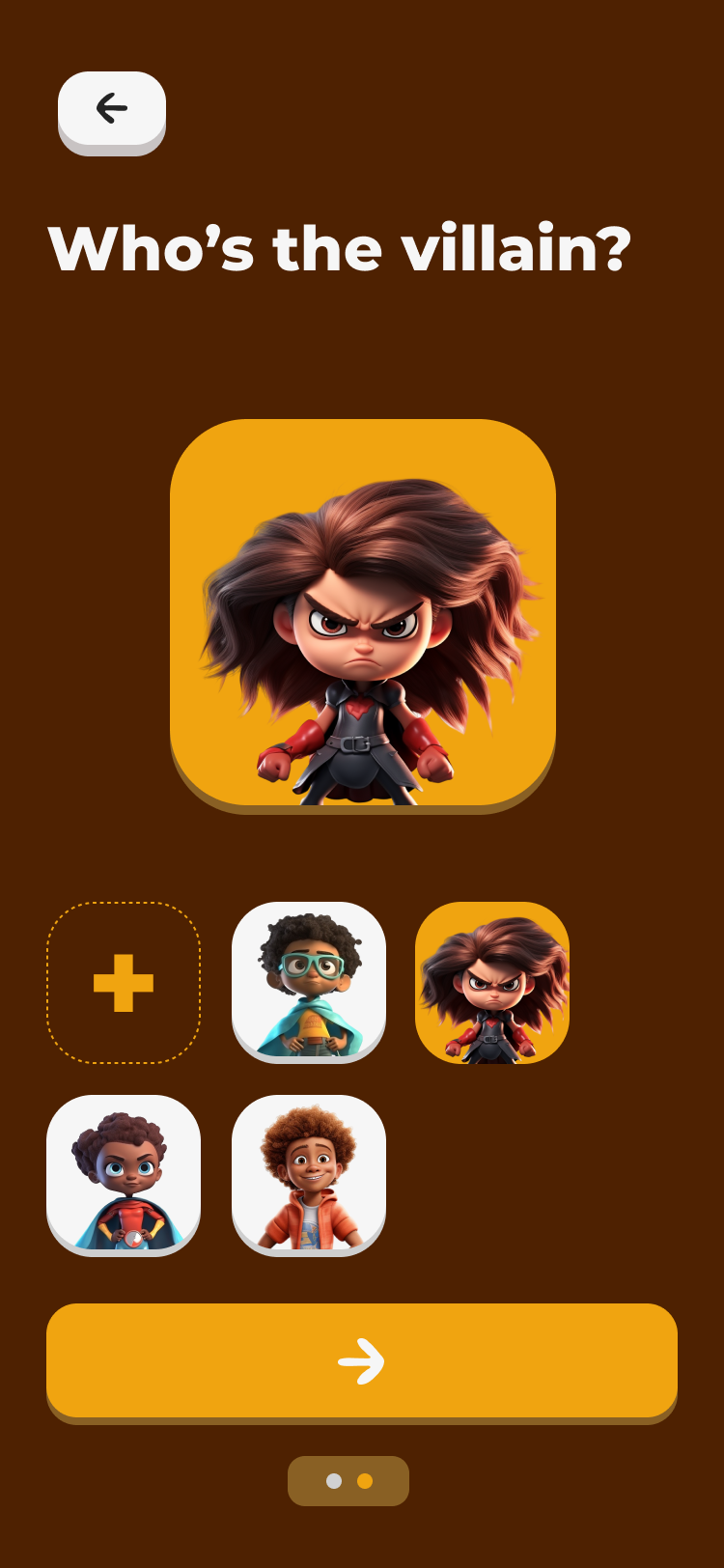
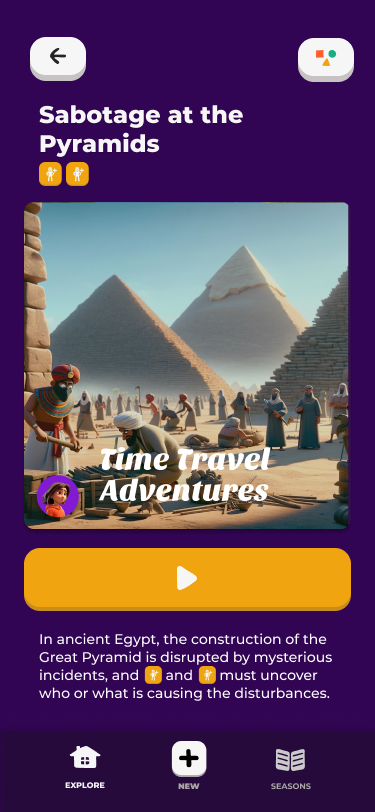
This is the homescreen for V2 of the superland. Here the users is presented with all the one off stories they can create, they can create new characters, objects, and locations, and they can also navigate to season to access the snake.
Technical Craft & Product Ownership
Wearing both Design and Engineering hats, I built the app in React Native. This hybrid role allowed for rapid prototyping—testing "weird" AI prompt chains and immediately reflecting them in the UI. I oversaw the transition from unstable edge functions to a robust modular backend, ensuring the experience felt "magical" and seamless, despite the underlying technical complexity.
Outcomes: Small Team, Big Impact
Superland reached 4,000 monthly active users and was awarded "App of the Day." More importantly, we proved that GenAI could be used as a "creative partner" rather than a dopamine loop. We created a sandbox where 4-year-olds could act as directors of their own digital worlds, establishing a new UX benchmark for how kids interact with artificial intelligence.